

The Beauty of the Broken
Mar 24, 2026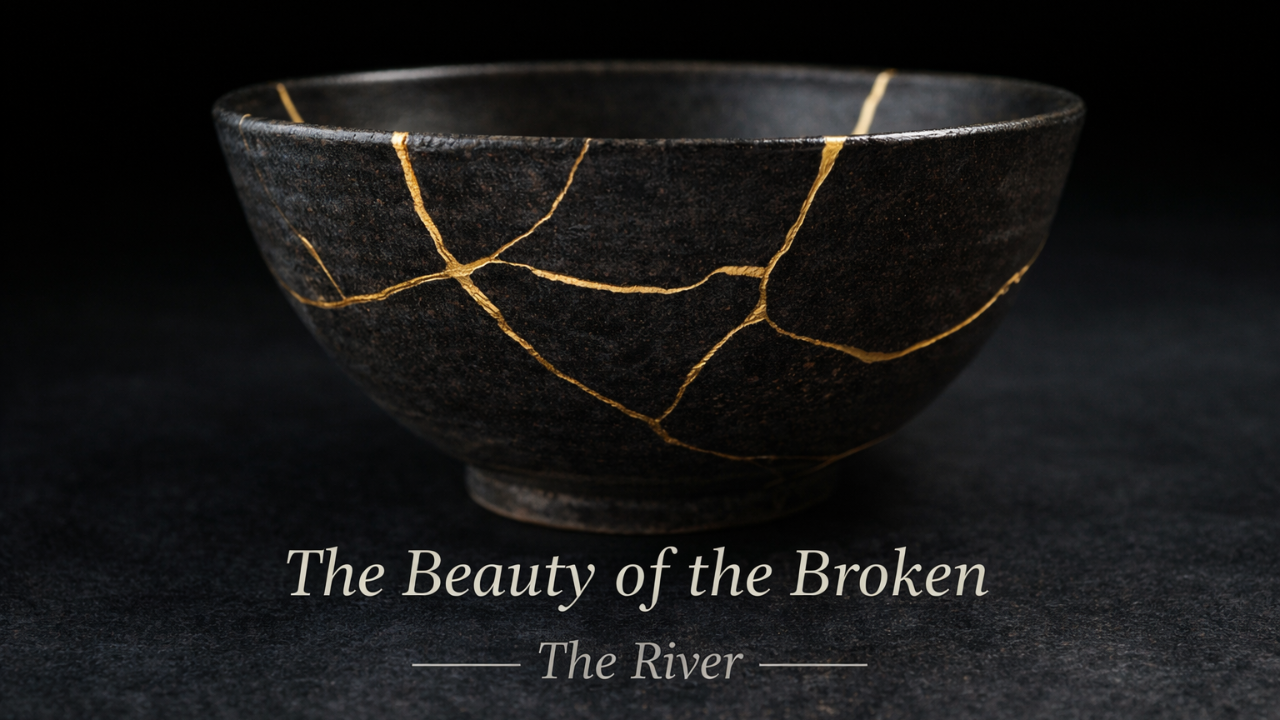
Several centuries ago in Japan, a shogun reportedly sent a cherished tea bowl back to China for repair after it had been broken. When the bowl returned, it had been fixed with large, unattractive metal staples. While technically repaired, the bowl had lost much of its beauty.
Japanese craftsmen began searching for a better way.
Their answer became an art form known as Kintsugi, which translates roughly to “golden joinery.” Rather than hiding the cracks in broken pottery, artisans repaired the pieces using lacquer mixed with powdered gold. The fractures were not concealed. They were highlighted.
The bowl, once broken, returned stronger than before - but also more beautiful. The golden seams told the story of its breakage and repair.
Over time, Kintsugi became more than a technique for fixing pottery. It evolved into a philosophy that reflects a deeper idea about life: brokenness does not diminish value. In many cases, it can increase it.
In our culture, we often work hard to hide our cracks. We prefer polished résumés, flawless presentations, and carefully curated versions of success. Failures are edited out of the story. Difficult chapters are quietly tucked away.
But real life rarely unfolds that way.
Careers stumble. Businesses fail. Relationships encounter strain. Illness, loss, and disappointment eventually visit every life. These moments can feel like fractures in the carefully shaped bowl of our plans.
Yet time and reflection often reveal something surprising. Those very moments can reshape us in ways success alone never could.
University of Virginia basketball coach Tony Bennett once reflected on adversity this way: “If you learn to use it right, the adversity, it will buy you a ticket to a place you couldn't have gone any other way.” His words capture the spirit of Kintsugi perfectly. Hard experiences can open doors to wisdom, perspective, and personal growth that would otherwise remain closed.
Many people who eventually become wise leaders, compassionate mentors, or resilient individuals carry visible “cracks” in their story. A failed venture that taught humility. A personal hardship that created empathy. A season of uncertainty that strengthened courage.
Those experiences leave marks, but they also create depth.
Just as gold traces the fracture lines in Kintsugi pottery, the challenges we navigate often become the places where character is strengthened and perspective is gained.
The philosopher Friedrich Nietzsche once wrote, “What does not kill me makes me stronger.” While that statement is often quoted, it may be incomplete. Hard experiences do not simply make us stronger. They can also make us more understanding, more patient, and more aware of what truly matters.
In coaching conversations over the years, I have often seen this pattern emerge. People sometimes arrive feeling discouraged about the broken parts of their journey. A job that didn’t work out. A leadership decision that didn’t succeed. A chapter that didn’t unfold as expected.
But when we step back and look at the full arc of their story, those moments frequently become turning points rather than endings. They redirect paths, deepen insight, and shape leaders who approach others with greater humility and care.
In other words, the cracks become part of the art.
The Japanese philosophy behind Kintsugi teaches that an object’s history should not be hidden. Instead, it should be honored as part of the object’s identity. The bowl is not valuable despite its breakage. It is valuable in part because of it.
The same idea can apply to our lives.
When we accept that imperfections and setbacks are natural parts of the human experience, we begin to see our own stories differently. Rather than viewing every mistake as something to erase, we can recognize them as moments that contributed to growth.
The repaired bowl still serves its purpose. In fact, it often becomes more treasured than before.
Perhaps our lives work the same way.
So here is a question worth reflecting on this week: What if the cracks in our story are not flaws to be hidden, but part of the art that makes our lives meaningful?
Tony Thelen is the founder of The River Coaching and Consulting, LLC, where he works with executives and leaders to help them maximize their effectiveness and lead more productive and fulfilling careers. His weekly River column explores ideas about leadership, life, and personal growth. To learn more, visit www.therivercoach.org or contact Tony directly at [email protected].
Author
